
Dry eye isn’t just a minor inconvenience: It can feel like you’ve got sandpaper tucked under your eyelids. At Eyes Over Copley, your optometrist in Boston, MA, we hear a lot of questions about this common condition. If your eyes are burning, stinging, or constantly tearing up, you’re not alone. Here’s a breakdown of the most frequently asked questions, so you can get some answers and hopefully find some relief.
What Causes Dry Eye?
Dry eye happens when your eyes don’t produce enough tears or the tears you do make don’t work properly. That can be due to:
● Aging (especially in women after menopause)
● Certain medications, like antihistamines or blood pressure drugs
● Too much screen time
● Windy or dry environments
The tear film is like a three-layer dip: Oil, water, and mucus. If any layer is off, your eyes can feel irritated.
What Are the Main Symptoms?
The symptoms can show up in different ways:
● Burning or stinging sensations
● A feeling of grit or dust in your eye
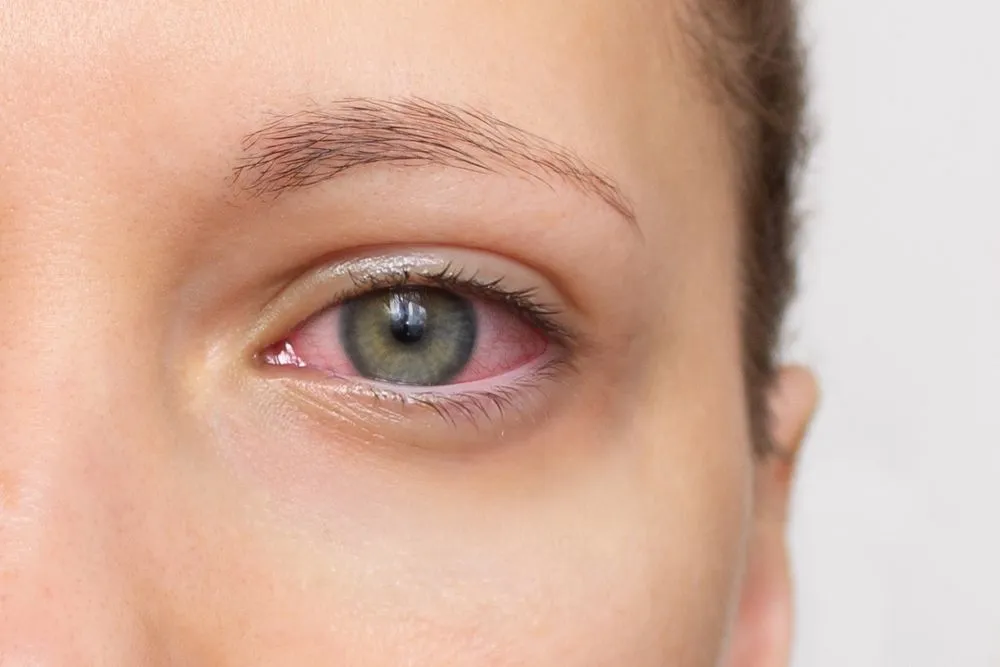
● Redness and blurry vision
● Eye fatigue, especially after reading or using a screen
● Watery eyes (your eye’s weird way of overcompensating)
Is It Dangerous?
Dry eye can be more than annoying. If left untreated, it can:
● Increase your risk of eye infections
● Damage the surface of your eyes
● Make it hard to do daily tasks, like reading or driving at night
Think of your eyes like an engine. Without the right lubrication, parts start to wear out.
How Is Dry Eye Diagnosed?
Your eye doctor may run a few quick tests:
● Measuring tear volume with blotting strips
● Checking tear quality using dye and a special light
● Evaluating the stability of your tear film
The exam is painless, fast, and helps us tailor treatment to your needs.
What Are the Treatment Options?
Treatment depends on what’s causing the problem. Options may include:
● Artificial tears or prescription eye drops
● Warm compresses to open oil glands
● Eyelid hygiene (especially if you have blepharitis)
● Omega-3 supplements to support tear production
● In-office treatments like punctal plugs
Most people feel relief with a mix of these approaches.
Can Lifestyle Changes Help?
Yes—little adjustments make a big difference. Try:
● Taking regular breaks from screens
● Using a humidifier in dry indoor spaces
● Wearing wraparound sunglasses outdoors
● Drinking more water
● Avoiding direct air from fans, heaters, or car vents
Visit Us for Dry Eye Treatment from an Optometrist Near You
If over-the-counter drops aren’t doing the job, or your symptoms are getting worse, don’t wait. Dry eye can usually be managed but it takes the right plan with proper techniques.
At Eyes Over Copley, your eye doctor in Boston, MA, we’re here to help you see clearly and comfortably. Schedule an appointment if your eyes are giving you trouble. Call us at (617) 859-0630 for dry eye treatment from an optometrist near you.
